How Indie Studios Are Breaking Into the iGaming Industry in 2026
The UK iGaming landscape, once dominated by giants, is now being reshaped by a wave of agile, creative independent studios. Long considered an impenetrable fortress for all but the largest corporations, the sector is undergoing a quiet revolution. In 2026, the convergence of accessible technology, new distribution channels, and a hunger for innovation has created a golden window for indie developers. This shift mirrors trends in traditional video gaming, proving that with the right strategy, a small team with a compelling idea can now build a viable business within the world of casino slots and mobile gambling games.
Why iGaming is Now an Indie-Friendly Space
The barriers to entry that once kept indie studios on the sidelines have crumbled. High costs, proprietary tech stacks, and complex regulatory integration are being solved by a new ecosystem of tools and partners. This democratisation means talented game designers can focus on what they do best: creating engaging player experiences, while leveraging established frameworks for the heavy lifting of compliance and distribution.
Democratised Development Tools
The engine room of this change is the widespread adoption of powerful, accessible game engines. Unity and Unreal Engine, already staples in console and PC development, are now fully capable platforms for building high-fidelity, performant slot games. Their asset stores, extensive documentation, and supportive communities allow small teams to prototype rapidly and produce visual quality that rivals the incumbents, without needing to build a graphics engine from scratch.
The Aggregator & Platform Revolution
Perhaps the most significant unlock for indies is the rise of third-party game aggregators and white-label platforms. Companies like Relax Gaming and Yggdrasil actively run programs to source original content from independent developers. These aggregators handle the critical, complex task of integrating games into dozens of different casino operators’ platforms. For a studio, this means a single technical integration can provide access to hundreds of brands, turning a monumental business development challenge into a streamlined publishing process.
The 2026 Indie Playbook: Three Proven Entry Routes
Success for an indie studio in iGaming is no longer a matter of luck; it’s a matter of strategy. In the current climate, three distinct but complementary pathways have emerged as the most effective ways to establish a foothold and generate revenue.
Route 1: Original Content for Aggregators
This is the purest ‘developer’ path. Studios focus entirely on creating unique game IP with standout mechanics and themes, which they then pitch to aggregator partners. This model mirrors indie development in traditional app stores, where the aggregator acts as publisher and distributor. It allows the studio to concentrate on its creative pipeline while the partner manages commercial relationships, marketing, and compliance support to a large degree.
Route 2: White-Label & Bespoke Development
Here, studios act as a dedicated development arm for established casino brands that lack in-house game design teams. A brand might commission a suite of games under its own name, often with specific thematic requirements (e.g., tied to a TV license or sports partnership). This provides the indie with guaranteed development contracts and valuable insight into operator marketing strategies, though the IP typically resides with the client.
Route 3: Direct Licensing to Operators
The most direct route, suitable for studios with some regulatory capability, involves licensing games straight to major operators. UK-based giants like Entain (behind Ladbrokes and Coral) and Flutter Entertainment (owner of Paddy Power and Betfair) are constantly seeking fresh content to differentiate their offerings. A direct deal offers higher potential revenue share and strengthens the studio’s brand, but requires navigating licensing agreements and ensuring full regulatory compliance independently.
Crafting a Slot That Stands Out in a Crowded Market
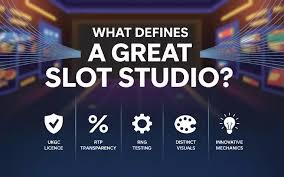
With lower barriers, competition intensifies. The key to cutting through the noise is a relentless focus on distinctive design. In 2026, it’s not enough to have polished maths and pretty graphics; a game needs a clear identity and a compelling player hook.
Finding Your Niche & Theme
The era of generic fruit themes is waning. Successful indies are mining specific niches—be it deep mythology, cult cinema, or unconventional hobbies. For the UK market, leveraging localised content is a powerful tactic. Themes rooted in British folklore, regional humour, or iconic cultural touchpoints resonate deeply with domestic players and are often overlooked by larger, globally-focused studios.
Innovating Beyond the Base Game
Innovation is the currency of the indie. This means looking beyond standard free spins rounds. Consider integrating features like:
- Buy-a-Bonus: Allowing players to purchase direct access to the bonus round, a popular feature that caters to different play styles.
- Community Features: Light social elements, such as shared progressive jackpots or in-game events that create a sense of player connection.
- Persistent Mechanics: Meta-features that carry over between game sessions, boosting long-term retention and making your game a destination, not just a spin.
Navigating the UK’s Regulatory Labyrinth (The GC’s Role)
For any studio targeting the UK, understanding and adhering to regulation is not a secondary concern—it is the foundation of the business. The UK Gambling Commission (UKGC) is the primary regulator, and its compliance requirements are non-negotiable for market access. Its remit extends far beyond the operator to the games themselves.
Game Fairness & RNG Certification
At the core of regulatory compliance is game integrity. The use of a certified Random Number Generator (RNG) system is a legal requirement for all games offered to UK players. This ensures every spin outcome is truly random and untampered with. Studios must engage with accredited testing houses to certify their RNG and game logic, a process that must be repeated for every significant update.
Responsible Game Design Mandates
The UKGC mandates that player protection be baked into the game design. This includes clear display of bet size and winnings, forced breaks in play after extended sessions, and strict limits on the speed of play (no ‘spin-stop’ or turbo modes that encourage rapid loss). Studios must design with these constraints in mind from the very first wireframe, as retrofitting is often impossible.
The Mobile-First Imperative for New Studios
In 2026, iGaming is mobile gaming. Over 80% of online play in the UK happens on smartphones and tablets. Therefore, a studio’s success is dictated by flawless mobile performance on iOS and Android. This requires a fundamental design philosophy shift from desktop-centric thinking.
Designing for Portrait & Thumbs
The most successful mobile games are built for one-handed, portrait-mode play. UI elements must be large, tappable, and positioned within the natural thumb arc. Information must be presented clearly on a small screen without clutter. The intuitive, tactile feel of the spin button and other controls is paramount—it’s the primary interface between your game and the player.
Performance is a Feature
Mobile players have zero tolerance for slow load times or janky animations. A game that stutters or takes five seconds to load will be abandoned instantly. Optimising asset sizes, leveraging efficient code practices, and rigorously testing on older devices are critical development tasks. In mobile iGaming, smooth performance directly translates to higher player retention and revenue.
Building a Sustainable Studio: Beyond the First Game
Breaking in with one hit is an achievement, but building a lasting business requires a long-term vision. The goal is to transition from a project-based team to a recognised brand that operators and players seek out.
The Roadmap & Portfolio Strategy
A single game, no matter how successful, is a vulnerable business. Sustainable studios develop a roadmap that balances innovative passion projects with commercially reliable content. Building a portfolio allows for cross-promotion, establishes thematic expertise, and provides multiple revenue streams. It also signals to partners that you are a serious, long-term player. Engaging with the industry at hubs like London, a major centre for iGaming innovation and investment and home to events like ICE London, is crucial for networking and trend-spotting.
Data-Driven Design Iteration
Modern game development is a loop of creation, measurement, and refinement. Integrating analytics tools (such as GameAnalytics) from day one is essential. Understanding metrics like player session length, feature engagement, and monetisation hotspots allows studios to patch, balance, and improve existing games while informing the design of future ones. This data is also powerful evidence when pitching new concepts to aggregators or operators.
The message for ambitious independent developers in 2026 is clear: the table is no longer reserved. With the strategic use of democratised tools, a clear understanding of the regulatory and commercial pathways, and an unwavering focus on mobile-first, player-centric design, indie studios possess the agility and creativity to not just enter the iGaming industry, but to define its next chapter.